Discernment lessons
Every Verse Proof leaves you with one transferable skill. This is all of them, grouped by what they teach you to spot.
Is it quoting, or singing about it?
Quotation, allusion, backstory, source. Work out which one the song is doing before you check anything else.
Vocabulary isn't quotation.
Borrowing a biblical name or phrase is not the same as quoting the text. Trace it to its source; the context usually makes the song heavier, not lighter.
 “Jireh”
Elevation Worship & Maverick City Music (Chandler Moore, Naomi Raine) NOT A QUOTE
Describing or quoting. Decide that first.
First work out what the song is doing, describing or quoting, then hold it to that. Poets get license. Quotation marks do not.
 “Reckless Love”
Cory Asbury (Bethel Music) NOT A QUOTE
Check what it says about God, not just the wording.
Accuracy is not only about matching words. A song with no verse in it still says something about God that the text either supports or does not.
 “Yet Not I But Through Christ In Me”
CityAlight NOT A QUOTE
Not every verse of a scripture song is scripture.
Songs grow stanzas. Check each one separately, because the added ones inherit the credibility of the quoted one.
 “Seek Ye First”
Karen Lafferty ~ FAITHFUL
Checking is not suspicion.
Most songs that borrow scripture borrow it honestly. Running the check is how you learn which ones, and it makes the singing surer.
 “10,000 Reasons (Bless the Lord)”
Matt Redman NOT A QUOTE
Know which part is the verse.
Most scripture songs are a quotation wrapped in testimony. The wrapping inherits the credibility of the quote, so keep the seam visible.
 “Thy Word”
Amy Grant & Michael W. Smith ~ FAITHFUL
A verse's strangest clause is its fingerprint. Listen for it.
Three holys are shared by Isaiah 6, Revelation 4 and the Sanctus. What marks Revelation 4:8 is its title and its clause about the One who is to come. A song that sings neither is singing the theme, not the verse.
 “Holy Forever”
Chris Tomlin NOT A QUOTE
A source text is not a quotation. Read it anyway.
Hymns often have a documented text behind them that they never quote. Finding it does not make the song scripture, but it hands you the one thing you can measure the song against.
 “Amazing Grace (My Chains Are Gone)”
Chris Tomlin NOT A QUOTE
A backstory is not a citation.
Songs arrive wrapped in their origins, and a moving history can lend a line the authority of a verse it never pointed to. Check the history the way you check the text.
 “It Is Well With My Soul”
Audrey Assad NOT A QUOTE
Faithfulness to a hymn is not quotation of scripture.
Old hymns get borrowed whole and credited properly, and that credit is doing an honest job: it tells you which layer you are singing. The hymn's own images still have to be traced back to the text on their own.
 “Cornerstone”
Hillsong Worship NOT A QUOTE
An inference can be true and still not be a verse.
A hymn like this is a mosaic: some lines sit on the named passage, some on other books, and some are conclusions the hymn draws itself. Sort each line before you cite it.
 “Before the Throne of God Above”
Sovereign Grace Music feat. Kristyn Getty NOT A QUOTE
An echo of many psalms is a quotation of none.
When a song's images are gathered from several chapters, no single chapter can verify it. Check each image at its own address, and do not call a song "based on" a psalm it never names.
 “Shout to the Lord”
Darlene Zschech (Hillsong Worship) NOT A QUOTE
Working through in order is not the same as quoting.
A project that sets every psalm in sequence cannot skip the uncomfortable ones, and that is a real discipline worth naming. It says nothing about whether any individual song follows the text word for word, so measure the two separately.
 “Psalm 46”
Poor Bishop Hooper ~ FAITHFUL
A catechism shows its work. Follow the footnotes.
A song built on a confession stands two removes from scripture, but a confession prints the verses behind each clause. That makes the whole chain checkable, which is more than most songs offer.
 “Christ Our Hope in Life and Death”
Keith & Kristyn Getty, Matt Papa NOT A QUOTE
Many references tell a story. That is not quoting.
When an artist cites seven passages for one song, she is telling a story, not quoting a wording. Check whether the story runs the way the texts run.
 “Emmanuel (Every Promise Yes in Him)”
Caroline Cobb NOT A QUOTE
Only the words travel. The heading stays on the page.
Transmission keeps what is sung and drops what is printed around it. To learn what a song presented itself as, find its first printing, not its latest performance.
 “When I Survey the Wondrous Cross”
Keith & Kristyn Getty ~ FAITHFUL
A song can read a text through a doctrine. Know the layers.
Heber's hymn sings Isaiah's cry and the church's trinitarian reading of it in the same breath, and neither layer is hidden. The habit worth building is telling them apart.
 “Holy, Holy, Holy”
Audrey Assad ~ FAITHFUL
Scripture's audit is closed. A testimony's is still running.
Some sentences about God's faithfulness are verdicts over a finished record, and some are reports from the middle of one. Both can be true. Notice which kind you are singing, because they answer different questions and they fail differently.
 “Do It Again”
Elevation Worship NOT A QUOTE
A compression can be checked by its chapter. A mosaic cannot.
Uncited songs come in two kinds. When the images are gathered from many chapters, no single one can verify them; when they nearly all sit inside one chapter, as verse one's do in Psalm 104, that chapter becomes the measuring text even though nothing is quoted.
 “How Great Is Our God”
Chris Tomlin NOT A QUOTE
Two books can answer one fear. Keep the reasons apart.
Psalm 23:4 grounds fearlessness in God's presence. 1 John 4:18 grounds it in perfect love. A song may sing both, and singers will remember them as one line, so know which text supplied which reason.
 “You Never Let Go”
Matt Redman ~ FAITHFUL
A psalm label can name the theme, not the words.
Luther headed this hymn as the 46th Psalm and then built his own imagery under that flag. A psalm number over a song says something about subject before it says anything about wording, so check which one it is.
 “A Mighty Fortress Is Our God”
Sovereign Grace Music ~ FAITHFUL
What a song is used for is not what it says.
Use is a habit; what a song says is in the words. Check what the words actually assert before crediting a song with, or blaming it for, the occasion it gets sung on.
 “Joy to the World”
Pentatonix ~ FAITHFUL
A borrowed liturgical title has its own text to check.
The Agnus Dei of the Mass is a fixed prayer, a petition for mercy to the Lamb of God of John 1:29. A song can wear that name while singing other true words, and then the name itself is one more thing to verify.
 “Agnus Dei”
Michael W. Smith ~ FAITHFUL
An album's inspiration is not automatically the song's.
Bethel's own press release attaches Jehoshaphat to the Victory project, and the song's documented origin is a sick child. When a scripture citation turns up in publicity, read what it is a citation of.
 “Raise a Hallelujah”
Bethel Music, Jonathan David Helser & Melissa Helser NOT A QUOTE
A shared subject is not the same statement.
This song and Acts 4:12 are both about the name of Jesus, but the verse says whose name saves and the song says what the name is spoken over. Check which sentence a shared word is sitting in before assuming they say the same thing.
 “I Speak Jesus”
Charity Gayle (feat. Steven Musso) NOT A QUOTE
When a song cites nothing, look up what its publisher cites.
Chord charts, CCLI listings and publisher song pages usually name the passages behind a song. That list is the closest the song ever comes to citing a passage, and it often points somewhere other than the scene you had pictured.
 “Break Every Chain”
Will Reagan & United Pursuit NOT A QUOTE
A catalogue's scripture list is someone else's citation.
Song databases, choral editions and licensing pages print Bible references beside a song, and three of them here print three different sets. That is the cataloguer reading the song, not the songwriter citing a text.
 “Chain Breaker”
Zach Williams NOT A QUOTE
When none of the verse's words appear, the citation is thematic.
A scripture reference on a chord chart or a publisher's page can mark a subject rather than a source. Run the verse's own key terms against the lyric. If none of them survive, the reference names what the song is about, not what it sets.
 “Lord, I Need You”
Matt Maher NOT A QUOTE
Ask why a promise lasts, not only that it lasts.
The song says Christ's blood has not weakened with time, and Hebrews 9 agrees. But the letter grounds that permanence in one offering made once, through the eternal Spirit, rather than in a supply that keeps flowing. When a song says something never runs out, go and find the reason the text gives for it.
 “The Blood Will Never Lose Its Power”
Andraé Crouch and the Disciples NOT A QUOTE
An editor's line can name a speaker scripture never did.
The most famous sentence in this hymn was added by someone other than its author, and what it added was a speaker. Before you take a sung report of what someone in the Bible said as the Bible's own report, find out who wrote the line.
 “Hark! The Herald Angels Sing”
Choir of King's College, Cambridge NOT A QUOTE
An old hymn's credit line is a conclusion, not a record.
This carol has been assigned to a medieval cardinal, a Portuguese king and an English organist before manuscript signatures settled the credit on John Francis Wade, and the sheet most singers hold still leaves the translator off. Treat a byline as a finding somebody reached, checkable like any other claim.
 “O Come All Ye Faithful”
Reawaken Hymns NOT A QUOTE
A song can be two documents with two histories.
Refrains and verses are often written by different people in different centuries. Look up each part separately before you credit the whole.
 “Go Tell It On The Mountain”
Keith & Kristyn Getty NOT A QUOTE
Check the reference on the chord chart, not just the song.
The song cites nothing, but its licensing page credits Matthew 19:26, and that listing is where most worship leaders get the verse they read out from the front. A published reference is checkable, whoever attached it.
 “In Jesus Name (God of Possible)”
Katy Nichole NOT A QUOTE
Notice when the verse is yours, not the song's.
A song can pass through its writers, its publisher and its chord chart without ever naming a passage. If a text still fits, that fit is something you brought, and it should be held as your reading rather than as something the song says.
 “Gratitude”
Brandon Lake NOT A QUOTE
When a song has two titles, check who wrote which.
“Step by Step” and “Sometimes by Step” carry different writers, different copyright years, and different licensing numbers. Which one you have in front of you decides whose words you are learning.
 “Step by Step”
Rich Mullins NOT A QUOTE
Two texts can meet in one line.
A refrain can take its picture from one passage and its absolute from another. Name both before you decide which verse a line is.
 “The Solid Rock (My Hope Is Built)”
Edward Mote (recorded by Reawaken Hymns) NOT A QUOTE
One hymnal can print a verse its own editor rejects.
An index and a companion volume are separate editorial acts, made by different people at different times. The United Methodist Hymnal prints 1 John 1:7 with this hymn and the companion to that hymnal says the verse does not resemble it, so check the commentary before you trust the number at the top of the page.
 “Trust and Obey”
John H. Sammis and Daniel B. Towner (recorded by Don Moen) NOT A QUOTE
Check what a song says God never promised.
A denial is a statement about scripture just as much as a quotation is, and it can be looked up the same way. Here the denial holds: the texts say trouble is coming and say God will be in it.
 “Held”
Natalie Grant NOT A QUOTE
A metrical psalm names its source. The re-issue can drop it.
Metrical psalmody is a labelled genre: the psalm number rides in the heading, and here even the meter was called "104th M." after the psalm it was cut for. A modern release inherits the words and the tune without the heading, so look the hymn up before deciding it names no source.
 “O Worship The King”
Passion (Chris Tomlin) ~ FAITHFUL
A hymn can resemble a psalm more than its source did.
Francis praised God for the creatures. Draper turned that into a summons addressed to them, which is Psalm 148's own grammar. The likeness that gets this hymn filed under the psalm was made at the last hand, not the first.
 “All Creatures of Our God and King”
Sovereign Grace Music NOT A QUOTE
Let the song define its title before you supply a verse.
A famous phrase pulls a verse toward it, and a broken heart offered to God pulls Psalm 51:17. This song says what it means in its last bridge, and that line points at a different passage. Find the line where a song says what it means, then decide which text it sits near.
 “Gracefully Broken”
Tasha Cobbs Leonard NOT A QUOTE
An interview’s verse list explains the message, not the title.
Asked which verses connect to this song, the interview names five, and the chapter its title phrase sits in is not one of them. Both can be honest at once. Look the phrase up yourself.
 “Hills and Valleys”
Tauren Wells NOT A QUOTE
A songwriter’s own account can point away from the proof text.
Two of the pages that link this song to scripture pick two different passages. A credited co-writer has published where the song came from: gossip breaking his home church. He names no verse. That account is closer to the song than either reference list.
 “Speak Life”
TobyMac NOT A QUOTE
Check the middle of a verse, not only its edges.
A clause dropped from the start or the end of a verse is easy to catch, because the quotation simply stops early or starts late. A clause dropped from the middle leaves the sentence still running, so it reads as finished. Here both ends came through and three words went missing at the seam where the verse section hands the sentence to the chorus.
 “The Hope That Is In You (1 Peter 3:15 ESV)”
Seeds Kids Worship (Seeds Family Worship) ✎ DEPARTS
The words
Phrases, precision, and what changed between the text and the lyric.
Faithfulness is a craft constraint, not a cage.
When a song sings the named translation exactly, everything it says is checkable, and the artistry has to live in melody, pacing, and weight instead of edits. That's the standard working as intended.
 “Psalm 23”
The Corner Room (Adam Wright) ✓ VERIFIED
A borrowed phrase carries an argument.
Two words can hold a whole causal claim. Check whether the song keeps the because, not just the phrase.
 “Living Hope”
Phil Wickham NOT A QUOTE
Keep the picture, check the content.
Parables get borrowed for their imagery. Ask what the passage says the image stands for before you assume the song's version.
 “Firm Foundation (He Won't)”
Cody Carnes NOT A QUOTE
Check the chorus, not just the first line.
The opening line earns the title; the rest of the song usually comes from somewhere else. Both halves deserve a look.
 “As the Deer”
Martin Nystrom ~ FAITHFUL
Know which book the line came from.
Splicing two real texts still produces something neither one says. Trace the memorable line to its own chapter before you call it a psalm.
 “On Eagle's Wings”
Michael Joncas ✎ DEPARTS
"Without" states a requirement. "Only" states a verdict.
Hebrews 9:22 says there is no forgiveness without shed blood, which promises nothing by itself. The hymn answers that nothing but the blood of Jesus washes sin, and the letter's next two chapters are what earn the difference.
 “Nothing But the Blood of Jesus”
Carrie Underwood NOT A QUOTE
Notice when a description becomes an instruction.
Psalm 119:11 reports what the psalmist did; the series title tells the listener to do it. Here the application is well grounded, but the imperative is the packaging's addition, and a careful singer sees the step being taken.
 “I Have Hidden Your Word - Psalm 119:11 & 9”
Steve Green ~ FAITHFUL
A paraphrase answers questions the text leaves open.
Psalm 34:7 does not say who the angel of the LORD is. The song does. When a setting resolves an ambiguity, notice that a decision was made, however defensible the decision turns out to be.
 “Psalm 34 (Taste and See)”
Shane & Shane ~ FAITHFUL
Look up the rest of the sentence.
A song can quote a verse's opening clause and keep singing past the comma in the same voice. When a line is scripture as far as it goes, find out how far it goes.
 “This Is Amazing Grace”
Phil Wickham ~ FAITHFUL
A contrast is only as true as both its terms.
Songs inherit a passage's not-this-but-that and often keep the good half exactly while swapping the other. Check what the text puts opposite the good news, not only the good news.
 “No Longer Slaves”
Bethel Music, Jonathan David & Melissa Helser NOT A QUOTE
The verse everyone knows is the one nobody checks.
Familiarity substitutes recognition for reading. The better known a sentence is, the more easily a reworded version passes as quotation, because memory fills in what the song leaves out.
 “God So Loved”
We The Kingdom ~ FAITHFUL
Punctuation cannot be sung. Word order can.
In the KJV, Psalm 121:1's question exists only in how the line is pointed, and read aloud it hands the hills the credit. The bridge words the question so it is audibly asked, and the psalm's argument survives with no page in sight.
 “Praise You in This Storm”
Casting Crowns ~ FAITHFUL
A song can resolve a paradox the text preserves.
Psalm 19 stakes its claim on speech without words, and giving the heavens an audible song un-says that. When a lyric smooths a text's tension, ask what the tension was doing before deciding it doesn't matter.
 “So Will I (100 Billion X)”
Hillsong UNITED NOT A QUOTE
Some blessings in scripture are the ones never given.
Psalm 81:16 describes honey from the rock as what God says He would have supplied, had Israel listened. Deuteronomy 32:13 has the identical picture as something He did. Before you carry an image out of a verse, find out which of those two it is.
 “Honey in the Rock”
Brooke Ligertwood (with Brandon Lake) NOT A QUOTE
A swapped verb resizes the promise.
Romans asks who can be against us, then lists people who are. Asking who could halt us instead turns a promise of unbreakable belonging toward one of unhindered progress, which the chapter does not make.
 “Our God”
Chris Tomlin NOT A QUOTE
Shorthand can harden back into the object it stood for.
Scripture often names a physical thing to mean the event and the announcement attached to it. When a song loves the thing itself, check whether the verse in your head was talking about the object or the message.
 “The Old Rugged Cross”
George Bennard (recorded by Carrie Underwood) NOT A QUOTE
A victory and an impossibility are different things.
Resurrection songs almost always sing a battle won. Acts 2:24 says the harder thing, that death was never able to keep Him at all, and a song can be entirely true and still leave that unsung.
 “O Praise the Name (Anástasis)”
Hillsong Worship NOT A QUOTE
Where a lyric is ambiguous, the singer supplies the meaning.
A phrase with two readings does not get resolved mid-chorus. Whatever you already hold fills the gap, which is why reading the passage settles the line faster than twenty years of argument about it have.
 “Above All”
Paul Baloche & Lenny LeBlanc NOT A QUOTE
Assurance turns on the subject of the verb.
John 10:28-29 gives the sheep nothing to do: Jesus gives, the Father is greater, no one can snatch. When a song moves the singer into that subject seat, the same words stop being a promise and start being a job.
 “He Will Hold Me Fast”
Keith & Kristyn Getty NOT A QUOTE
An altered famous line can mark its source, not hide it.
When a song changes the grammar of words everyone knows, ask what the change does. Here the move from first person to third makes the refrain impossible to mistake for the verse.
 “It Was Finished Upon That Cross”
CityAlight NOT A QUOTE
A church word can shrink. Check its size in the verse.
"Worship" in current church speech usually means the sung part of a meeting, while in John 4 it means the whole act of coming to God. When a song and a passage share a word, check that the word is the same size in both before assuming they agree.
 “The Heart of Worship”
Matt Redman NOT A QUOTE
A song of what is mine should name what isn't.
Philippians 3:9 makes the righteousness explicitly not the singer's own. When a song is built on possession, check whether it reaches the one item scripture says is credited rather than owned.
 “Christ Is Mine Forevermore”
CityAlight NOT A QUOTE
Notice who a song adds to the rescue.
Psalm 32:7 names God alone as the hiding place. This song seats the forgiven singer inside a welcoming community as well, which is true elsewhere in scripture but is the songwriter's addition here, not the verse's.
 “Then At Last (Psalm 32)”
Wendell Kimbrough ~ FAITHFUL
A total is not an inventory.
When a song sums the whole offering up in one word, go back to the passage for the items. Romans 12 names bodies, a renewed mind, and the plain use of gifts in a congregation.
 “I Surrender All”
Judson W. Van DeVenter & Winfield S. Weeden (recorded by Carrie Underwood) NOT A QUOTE
Read on until the text defines its own key word.
Romans 8:28 promises good, and verse 29 says what good means: being conformed to the Son. Where a passage supplies its own definition, that definition outranks whatever the word suggests on its own.
 “His Glory and My Good”
CityAlight NOT A QUOTE
A promise of fading is not a promise of becoming.
When a song attaches a result to looking at Christ, check what result the text attaches. Here scripture's answer is transformation into His image, worked by the Spirit, which is a larger thing than distraction losing its grip.
 “Turn Your Eyes Upon Jesus”
Helen H. Lemmel (recorded by Reawaken Hymns) NOT A QUOTE
A promise's purpose clause is part of the promise.
2 Peter 1:4 attaches a “so that” to the promises: they are given so people share in the divine nature and escape corruption. A song can affirm that promises hold and never touch what they were given to do.
 “Standing on the Promises”
R. Kelso Carter (recorded by Alan Jackson) NOT A QUOTE
When the Bible explains its own symbol, check if the song does.
Paul does not leave the sword to interpretation. He says what it is in the same clause he hands it over. A song can carry the picture and leave the explanation on the page, which is why the passage has to travel with the hymn.
 “O Church, Arise”
Keith Getty & Stuart Townend NOT A QUOTE
A stain lifts. A dye does not. Check which.
Isaiah's scarlet and crimson are the names of a fixed dye, which is the whole reason the promise is startling. When a song borrows a picture, weigh how strong the text made it before you settle for the song's version.
 “Jesus Paid It All”
Elvina M. Hall (recorded by Passion, feat. Kristian Stanfill) NOT A QUOTE
The verse states a condition. The song reports noticing it.
Both sentences can be true, and they are not the same sentence. A fact about what you are keeps holding on the hours you feel nothing, so ask which of the two a line is making before you rest your assurance on it.
 “I Need Thee Every Hour”
Reawaken Hymns NOT A QUOTE
Shared image, different verb. The verb picks the passage.
When a song and a verse both reach for water, fire, or light, matching the noun proves nothing. Ask what is being done with it, because the verb is what tells you which text you are actually standing next to.
 “Holy Water”
We The Kingdom NOT A QUOTE
One verse can hold a finished victory and a present one.
In the ESV, 1 John 5:4 says those born of God overcome the world right now, and then calls faith the victory that has already overcome it. This song gives each tense its own section, so a singer keeps both.
 “The Victory (1 John 5:4-5 ESV)”
Seeds Kids Worship (Seeds Family Worship) ✓ VERIFIED
Scripture prints some texts twice. Know which one you learned.
Psalm 53 and Psalm 14 are nearly the same psalm, and they differ in six places in the Berean Standard Bible. Sing this song until you know it and you have Psalm 53, with "God" throughout and its own verse 5. You do not yet have Psalm 14.
 “Psalm 53 (English Standard Version)”
The Corner Room (Adam Wright) ✓ VERIFIED
Translations and versions
Naming the version, reading the footnotes, and how words travel between Bibles.
Name the translation or it cannot be checked.
A song can carry a passage perfectly and still leave the listener no way to verify it. Naming the translation is the cheapest honesty available.
 “The Blessing”
Kari Jobe, Cody Carnes & Elevation Worship ~ FAITHFUL
Put the translation where nobody has to look for it.
Seeds names the version in the track title. That is the whole habit: make verification cost the listener nothing.
 “Wonderful”
Seeds Kids Worship (Seeds Family Worship) ✓ VERIFIED
Hymns get edited. Check whose version you are singing.
A hymn text is not fixed the way a verse is. Committees, hymnals and slide decks change lines, sometimes without the writers, so find out whose wording you have before you weigh what it says.
 “In Christ Alone”
Keith Getty & Stuart Townend NOT A QUOTE
Check the footnote before you call a line an addition.
Some gaps between a song and your Bible are older than both, and your Bible usually explains them in small type at the bottom of the page. Matthew 6:13 is the one nearly every English-speaking Christian meets.
 “The Lord's Prayer”
JJ Heller ~ FAITHFUL
A citation has two parts: the address and the version.
Book, chapter, and verse tell you where to look. The version tells you what words to expect when you arrive. This song sings the first half into the chorus and never supplies the second.
 “Micah 6:8”
Slugs & Bugs (Randall Goodgame) ~ FAITHFUL
Some phrases sound like scripture and exist in no translation.
“Mighty to save” belongs to a translation before it belongs to a verse. This is the harder case: “sea of forgetfulness” belongs to no translation of any verse. It is Micah's sea welded to Jeremiah's not-remembering, and only the halves are in the Bible.
 “His Mercy Is More”
Matt Boswell & Matt Papa NOT A QUOTE
A named translation is a promise you can check.
Seeing a version named is the start of the check, not the end of it. Read the label, then read the words, and confirm they come from the same book.
 “Think About It”
Seeds Family Worship (now Seeds Kids Worship) ~ FAITHFUL
Count the hands between the text and the song.
A famous hymn can sit several languages and two authors away from where it started. Trace the chain before you treat a hymn as scripture in singable form.
 “How Great Thou Art”
Carrie Underwood NOT A QUOTE
A phrase belongs to a translation before it belongs to a verse.
“Mighty to save” is in Zephaniah 3:17 in some Bibles and not in others, and it is in Isaiah 63:1 in all of them. When you trace a memorable phrase, name the translation you traced it in, or the person you send to look it up will open a Bible and not find it.
 “Mighty to Save”
Hillsong Worship NOT A QUOTE
A textual variant can be baked into a title.
Matthew 6:13's longer ending can sit in a footnote, but this hymn's disputed word is its name. When a song is titled in a verse's words, it inherits that verse's manuscript history, and no later edit can reach a title.
 “Immortal Invisible”
Reawaken Hymns ~ FAITHFUL
Some famous phrases live in the Bible's margin. Check the verse.
The KJV translators printed "everlasting strength" in Isaiah 26:4 and put the literal Hebrew, "rock of ages," in the margin. A phrase can be genuinely scriptural and still not be in a verse, and knowing which is which is what checking means.
 “Rock of Ages”
Chris Rice NOT A QUOTE
King James grammar is not a King James quotation.
Archaic diction tells a listener “this is the verse” before any checking happens. It is a style anyone can write in. Only the text settles it.
 “Wait on You”
Elevation Worship & Maverick City Music ✎ DEPARTS
A famous line can rest on a disputed reading.
Job 13:15 is written "no hope" and read "in him will I hope," and English Bibles split down that fork. When a song is built on such a line, the split is part of what you are singing.
 “Though You Slay Me”
Shane & Shane NOT A QUOTE
Look up the words your Bible left untranslated.
Hosanna, hallelujah, amen and maranatha come into English as sounds. Hosanna transliterates a petition, "save us, we pray" in Psalm 118:25, and a singer who has the gloss can sing the praise and the plea at once.
 “Hosanna”
Hillsong UNITED NOT A QUOTE
Check an unnamed quote against several translations.
On some verses the versions nearly all agree, and the check settles instantly: this line matches the modern renderings word for word. Where they diverge, KJV forms or the WEB's "Yah," the differences are small and visible.
 “Praise (feat. Brandon Lake, Chris Brown & Chandler Moore)”
Elevation Worship ~ FAITHFUL
A translation has editions. The best credit lines name one.
The ESV has been revised in 2007, 2011, 2016 and 2025. Naming the version tells you which Bible; naming the edition tells you which printing of it, which is the difference between a check a reader can finish and one they can only get close to.
 “Breathed Out By God (2 Timothy 3:16-17)”
Seeds Kids Worship (Seeds Family Worship) ✓ VERIFIED
A name spelled two ways records the road it travelled.
All three of this site's translations print Immanuel at Isaiah 7:14, and the King James prints Emmanuel at Matthew 1:23, which is the hymn's spelling. When a song spells a Bible name differently from your Old Testament, that is a clue about which verse it reached you through.
 “O Come, O Come, Emmanuel”
Sovereign Grace Music NOT A QUOTE
The artist's stated method tells you what a mismatch means.
The Psalms Project publishes that it follows no single translation word for word. That one sentence turns three of this song's differences from the Berean text into ordinary translation choices, and it sits on their website before you ever open a Bible.
 “Psalm 3 (Lifter of My Head)”
The Psalms Project ~ FAITHFUL
A hymn can preserve a reading your Bible has dropped.
Wesley's title for Christ came from the Bible in front of him in the 1740s, and English translation has moved since. When a hymn hands you a title that sounds like scripture, find the verse and read it in more than one version before you decide the hymn is quoting it.
 “Come Thou Long Expected Jesus”
Keith & Kristyn Getty NOT A QUOTE
Translations can reorder a sentence. A song memorizes one order.
Philippians 3:21 holds two clauses, the changing of the body and the power behind it. The ESV and the KJV put the change first. The Berean Standard Bible puts the power first. A child who learns this song learns one of those orders, so it helps to know which Bible it came from.
 “Citizens Of Heaven (Philippians 3:20-21)”
Seeds Kids Worship (Seeds Family Worship) ✓ VERIFIED
A word can be scripture's and still not be this verse's.
Proverbs 30:5 and Psalm 18:30 say nearly the same thing about God being a shield, and the ESV's wording at Psalm 18:30 does include the word all. So the word belongs to that sentence somewhere in the ESV. It does not belong to it here, and word-for-word is measured at the verse you named.
 “Every Word of God (Proverbs 30:5)”
Seeds Kids Worship (Seeds Family Worship) ✎ DEPARTS
A transliteration is a translation. Check it like one.
Somebody turned Hebrew letters into English ones, and that choice can match the verse or miss it. A lexicon entry or a scholar's write-up will tell you which. Here the answer is on the record.
 “El Shaddai”
Amy Grant NOT A QUOTE
Word-for-word can describe a reading or a translation.
An audio Bible using the phrase is telling you what the reading contains. A translation using it is naming how the English was made from the original. The two claims are checked in different places.
 “Mark 10”
Streetlights ✓ VERIFIED
Where one Bible says flesh, another says world.
The ESV prints flesh three times in verses 3 and 4. The NIV prints world three times in the same two verses. This song sings world. A child who learns it and then opens an ESV will not meet the word they sang.
 “Take Captive Every Thought (2 Corinthians 10:3-5)”
Seeds Kids Worship (Seeds Family Worship) ✎ DEPARTS
The context
Who is speaking, to whom, on what occasion, and how far the words reach.
A promise given once is not a rule given always.
Trace who it was said to and when. Then reason the way the Psalms do, from what God did to what God is like.
 “Battle Belongs”
Phil Wickham NOT A QUOTE
Stacked miracles have separate addresses.
When a line piles up three rescues, check each one's chapter. Nothing is false; the subjects just are not interchangeable.
 “Graves Into Gardens”
Elevation Worship (feat. Brandon Lake) NOT A QUOTE
Ask whose words they are, and when.
A borrowed line carries its speaker and its moment with it. Job's confession is not a slogan for other people's losses.
 “Blessed Be Your Name”
Matt Redman NOT A QUOTE
Read the sentence after the invitation.
Famous invitations get quoted up to the comfortable part. The terms usually arrive in the next line.
 “O Come to the Altar”
Elevation Worship NOT A QUOTE
A story is not a promise.
Songs built on a narrative borrow its atmosphere. Read what actually happens, especially how it ends.
 “Oceans (Where Feet May Fail)”
Hillsong UNITED NOT A QUOTE
Notice who is speaking in the text.
Heaven's songs are reported with singers attached. Joining them is fair; knowing whose words they were first is better.
 “Revelation Song”
Jennie Lee Riddle (recorded by Kari Jobe) ~ FAITHFUL
Some sung words are names, and a name points at an event.
When a lyric carries a proper noun, look up what it names. The meaning is not in the sound of the word but in the thing that happened where it points.
 “Come Thou Fount of Every Blessing”
Chris Rice NOT A QUOTE
Notice when a song narrows the text's scope.
Colossians widens outward, from Christ to thrones and dominions and everything holding together. A song can open on all creation and land on one life without saying anything false, so long as the singer knows the scope moved.
 “Build My Life”
Pat Barrett NOT A QUOTE
Ask what the passage says the looking is for.
Hebrews fixes eyes on Jesus so that runners will finish and not grow weary. A song can keep a command's object and lose its purpose, and the effect it promises instead may come from somewhere else entirely.
 “Turn Your Eyes”
Sovereign Grace Music NOT A QUOTE
The promise attaches to the word, not to the meeting.
Isaiah 55:11 guarantees that God's word accomplishes God's purpose. It does not transfer that guarantee to a particular sermon or a particular Sunday, which is why a song built on the promise rightly asks instead of announcing.
 “Speak, O Lord”
Keith Getty & Stuart Townend NOT A QUOTE
Notice what a comfort verse is sitting in the middle of.
The three verses this hymn is built on are recalled against despair, not spoken from calm. Read the lines on either side, because a hope text usually gets its weight from what it is answering.
 “Great Is Thy Faithfulness”
CeCe Winans NOT A QUOTE
Know which promises you are singing about.
The confidence of Numbers 23:19 attaches to a blessing God had already spoken. When a song leaves "promises" open, fill the word from scripture, not from hopes.
 “Promises”
Maverick City Music feat. Joe L Barnes & Naomi Raine NOT A QUOTE
A passage can be about Christ and addressed to you.
Philippians 2's descent is introduced with "let this mind be in you." A song can honour every fact in a text and still leave behind what the text asks its reader to do.
 “Here I Am to Worship”
Tim Hughes NOT A QUOTE
The verse you sing may already be a quotation.
1 Corinthians 15:54-55 is Paul quoting Isaiah and reworking Hosea. When a hymn takes up his questions it joins a chain, and what each earlier link was doing is part of what you are singing.
 “Christ the Lord Is Risen Today”
Reawaken Hymns ~ FAITHFUL
A famous phrase can echo two texts. Match the scene.
Be still is God halting the nations in Psalm 46 and Moses steadying trapped Israel in Exodus 14. An uncited echo inherits whichever scene fits its use, so find that scene before the line settles in.
 “Still”
Hillsong Worship NOT A QUOTE
Ask what the verse is the reason for.
Hebrews 13:8 is a ground clause: because Christ has not changed, the faith of yesterday's leaders is still imitable. A sentence that proves one thing in its paragraph will get borrowed to prove more, so find its own conclusion first.
 “Same God”
Elevation Worship feat. Jonsal Barrientes NOT A QUOTE
A title comes with the grounds it was given on.
Friend of God, more than conqueror, chosen: biblical titles are verdicts with reasons attached. When a song sings the verdict alone, go read what the text says earned or granted it.
 “Friend of God”
Israel & New Breed NOT A QUOTE
Ask whether a line is bound to its scene.
The Baptist said this sentence at the Jordan, about the adult Jesus. A nativity album can end on it because it names who the Lamb is and what he does, not when. A line that describes its moment cannot travel. A line that names a person can.
 “Behold the Lamb of God”
Andrew Peterson ~ FAITHFUL
A sung address keeps a promise tethered to its scene.
These words went first to Joshua, one man with a nation to lead across a river. Singing the reference plants the address in memory next to the words, so the scene that gives the promise its shape is always one lookup away.
 “Be Strong and Courageous (Joshua 1:9)”
Seeds Kids Worship (Seeds Family Worship) ✓ VERIFIED
Ask which character the passage puts in motion.
A song can borrow a story's true posture and still hand the decisive action to the singer. Read the passage for who moves, and when.
 “Run to the Father”
Cody Carnes NOT A QUOTE
When a verse says all things, ask which things.
In this paragraph the all follows a list: filled and hungry, plenty and need. A song that plants verse 13 alone plants a scope the singer must fill, and the text has already filled it.
 “I Can Do All Things - Philippians 4:13”
Steve Green ~ FAITHFUL
Singing about prayer is not praying.
This hymn and Philippians 4:6 share a form: instruction to people about prayer, with God in the third person. Both are obeyed, not by being sung or read, but by someone actually asking.
 “What a Friend We Have in Jesus”
Alan Jackson NOT A QUOTE
Some texts command trust; others report it. Know which.
Proverbs 3:5 orders trust from someone with no evidence yet. Psalm 34:4 reports trust earned by an answer already given. A song can be faithful to either, and the two do very different work on the day nothing has been answered.
 “Trust In God”
Elevation Worship feat. Chris Brown NOT A QUOTE
Ask who a sung imperative is addressed to.
A title that reads like a command to the congregation may be a petition to God. Psalm 104:31 prays that the LORD rejoice in His works, and this chorus keeps that address; singing it is asking for God's delight, not just expressing yours.
 “Rejoice in All Your Works (Psalm 104)”
Wendell Kimbrough ~ FAITHFUL
A song can move a text's address. Learn the old one.
Temple phrases sung of the church are a transfer the New Testament itself makes, but a transfer is still a move. Knowing what the phrase pointed at first is what keeps it from flattening into atmosphere.
 “House of the Lord”
Phil Wickham NOT A QUOTE
Check who God is speaking to, not just who is speaking.
When a song borrows first-person divine speech, find the addressee. Psalm 46:10 is God commanding a raging world to stop; the private application is real, but it is downstream of that.
 “Psalm 46 (Lord of Hosts)”
Shane & Shane ~ FAITHFUL
Ask whether a promise covers your footing or your circumstances.
Psalm 62 says the speaker will not be shaken while people are actively working to topple him, so its promise is about where he stands and not about what happens to him. A sung assurance inherits that distinction only if the singer knows the verse it sits near.
 “King of My Heart”
John Mark & Sarah McMillan NOT A QUOTE
A future-tense song is only as sure as its speaker.
Revelation 21 says what will be, then identifies the voice from the throne and certifies the words as faithful and true. When a song sings a day that has not come, go and find who promised it, because that clause is what the singing rests on.
 “Hymn of Heaven”
Phil Wickham NOT A QUOTE
The same pairing can carry two different arguments.
Paul sets Adam beside Christ twice. In Romans 5 the contrast is one man's disobedience against one man's obedience; in 1 Corinthians 15 it is one man through whom death came against one man through whom resurrection comes. When a song names a biblical pair, ask which of those two jobs it is doing, and see whether the publisher's own citation agrees with you.
 “Come Behold the Wondrous Mystery”
Matt Boswell & Matt Papa NOT A QUOTE
Heaven is not this chapter's answer to death. Resurrection is.
1 Corinthians 15 answers death with a raised body, the perishable clothed with the imperishable, not with a departure to somewhere better. When a song's victory ends in heaven, notice that the chapter's victory ends in a body.
 “Victory in Jesus”
E. M. Bartlett (recorded by Carrie Underwood) NOT A QUOTE
Find where the text stops. Wondering is safe past that line.
1 John 3:2 draws the line itself: what we will be is not yet revealed, but two things are, that we will be like Him and see Him as He is. A song is free on one side of that line and answerable on the other.
 “I Can Only Imagine”
MercyMe NOT A QUOTE
The verse's pronoun has an antecedent. Go find it.
1 John 4:4 says the readers have overcome them, and "them" is the false prophets named three verses earlier. A song can carry the comparison faithfully and still leave the antecedent behind on the page.
 “Greater”
MercyMe NOT A QUOTE
Every redemption text names what you were bought out of.
1 Peter names the price and the captivity in one sentence, and the captivity is a way of life inherited from other people. A song can carry the price faithfully and still quietly swap the captivity for a more familiar one.
 “Thank You Jesus for the Blood”
Charity Gayle NOT A QUOTE
Narration shows the scene. The letters state the transaction.
Songs that tell a Bible story can only carry what was visible. When the epistles explain the same event, they usually name something no witness could have watched, and that is the part a story song will not hand you.
 “The Power of the Cross (Oh to See the Dawn)”
Keith Getty & Stuart Townend NOT A QUOTE
Ask whether the precedent is a repeat or a completion.
God's word to Jacob at Bethel was kept by being finished, and Genesis 35:1 brings him back to the same place to see it done. A song that argues from what God did before is standing on firmer ground when the precedent is God completing something than when it is God doing it again.
“Same God”Elevation Worship feat. Jonsal Barrientes NOT A QUOTE
Ask whether the scene a song puts you in repeats.
Songs often set the singer down inside a Bible scene. Some scenes are open to anyone who comes. Others happened once, to one named person, and the text itself closes them.
 “In the Garden”
Alan Jackson NOT A QUOTE
The same certainty that carries a promise carries a warning.
God's reliability is one attribute, not two, and scripture regularly runs it in both directions in a single paragraph. When a text states that His good words all came true, read on to see what it says that proves.
“Promises”Maverick City Music feat. Joe L Barnes & Naomi Raine NOT A QUOTE
When a song questions a Bible character, read her answer.
Songs often speak to someone standing inside the story. Scripture usually records what that person was told and what they said back, and that record is the check on the question.
 “Mary, Did You Know?”
Pentatonix NOT A QUOTE
Look at the believer the promise was spoken to.
Promises about faith arrive attached to a person in a scene. In Mark 9 that person's faith was failing, he said so, and the healing came anyway.
 “Believe For It”
CeCe Winans NOT A QUOTE
The nativity scene is assembled. The Gospels are not.
Luke puts shepherds at the manger and Matthew puts the magi at a house. A carol can hold both in one picture, and that picture is a harmony rather than a report.
 “What Child Is This?”
Chris Tomlin (feat. All Sons & Daughters) NOT A QUOTE
Ask whether the counting is proclamation or private inventory.
Psalm 40:5 reaches "more than I can count" inside an act of declaring, and verses 9 and 10 say the declaring was done in the great assembly. A song can reach the same total with nobody being told, which is a different thing from what the psalm is doing.
 “Million Little Miracles”
Elevation Worship & Maverick City Music (feat. Joe L. Barnes) NOT A QUOTE
A named Bible figure brings his whole story. Check which part.
Songs use people as shorthand for a virtue. Go to that man's own chapters, see whether the virtue is what the text records of him, and check whether the text has already stated what its picture means.
 “Days of Elijah”
Robin Mark NOT A QUOTE
Ask what day a comfort is dated to.
Paul fixes his comfort to an event still ahead. God will bring the sleeping with Jesus, and verses 15 to 18 put the reunion at the Lord's descent. A song may comfort you with where someone is right now, which can be true and still not be the thing the passage said.
 “Scars in Heaven”
Casting Crowns NOT A QUOTE
The clause about God travels. The clause about that day stays.
Deuteronomy 33:27 says one thing about God and one thing about Israel's next war. The first is portable to anyone. The second belongs to the chapter, and knowing which half you are carrying is most of what fair application means.
 “Leaning on the Everlasting Arms”
Elisha A. Hoffman & Anthony J. Showalter (recorded by Sovereign Grace Music) NOT A QUOTE
Some borrowed images come with a verse that licenses them.
1 Corinthians 10:1-4 reads the wilderness cloud and rock as written for the church, and 10:11 calls the episode an example. When a song prays an Old Testament story forward, find out whether the New Testament made that move first.
 “Guide Me, O Thou Great Jehovah”
Jehovah Shalom Acapella NOT A QUOTE
Ask whether the text names who caused the wound.
Hosea's return is a return because the people say whose hand tore them. A song can raise the same cry from a hurt it never traces, and the cry is honest, but it is doing a different thing than the verse.
 “Take Me to the King”
Tamela Mann NOT A QUOTE
A borrowed line keeps its size until another text enlarges it.
Songs stretch a verse's request well past its occasion, and the stretch is frequently right. Go and find the text that makes it right, because the borrowed verse is usually not that text.
 “Abide With Me”
Reawaken Hymns NOT A QUOTE
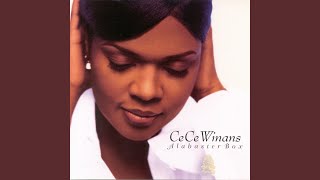
A song can merge two accounts into one scene.
Luke's meal in a Pharisee's house and the meal at Bethany are different occasions with different details. When a song's picture combines them, take each detail back to the passage it came from before you treat the whole picture as the Bible's.
 “Alabaster Box”
CeCe Winans NOT A QUOTE
When a song addresses a past scene, ask who hears it.
Matthew narrates the crown of thorns in the third person, and the hymn turns and speaks to Christ in the second. The form is scriptural rather than sentimental, because the new song of Revelation 5 is sung to the Lamb as slain and living at once. Address is safe where its hearer is alive, and thins into re-enactment where He is not.
 “O Sacred Head Now Wounded”
Reawaken Hymns NOT A QUOTE
A song can hand you a role. Find its warrant.
When a lyric has you urging someone else to come, you are speaking on Christ's behalf, which is a bigger step than singing about Him. Revelation 22:17 gives that job away in plain words, and knowing the verse is what turns the hymn's stance from presumption into obedience.
 “Softly and Tenderly Jesus Is Calling”
Will L. Thompson (recorded live by Alan Jackson) NOT A QUOTE
A widened promise needs a bridge. Name it.
Zechariah opens the fountain to one house and one city. The hymn opens it to every sinner. That may be exactly right, and the reasons for it sit in other books, so say which ones.
 “There Is a Fountain Filled With Blood”
William Cowper (recorded live by Sovereign Grace Music) NOT A QUOTE
A song can report witnessing a prophecy. Check that separately.
The pictures can be the passage's and the sighting still the songwriter's. Isaiah 63 shows the scene without saying when anyone will see it. Weigh the borrowed image and the reported sighting one at a time.
 “Battle Hymn of the Republic”
Julia Ward Howe (recorded by David Phelps) NOT A QUOTE
When a cited verse is debated, look for the plain one nearby.
Revelation 22:17 has been read two ways by careful readers for a long time, and the song's writer has named it when talking about the song. Three verses later the same prayer is made with nothing left ambiguous, and one older commentary points at verse 20 to settle the question. A neighbouring verse can turn a maybe into a yes.
 “Come Jesus Come”
Stephen McWhirter NOT A QUOTE
Read the description under the artist's own upload.
Rights holders often put their own commentary there. On this song the band's notes run past the point where the singing stops.
 “Psalm 137 (Babylon)”
Sons of Korah ~ FAITHFUL
Some psalms are quoted later as evidence. Keep them whole.
Peter built his Pentecost argument on Psalm 16:8-11, and Paul used verse 10 the same way in Acts 13. A setting that runs to the psalm's last verse hands you the text those sermons were arguing from, so you can go and check them.
 “Psalm 16”
The Corner Room (Adam Wright) ✓ VERIFIED
Some psalms end with God speaking. Check whether the song gets there.
Psalm 95 turns at verse 7, and from verse 9 the LORD speaks for Himself. His words hold the reason for the warning and the oath that closes it. When a setting keeps the warning, read to the end of the psalm and see who is talking there.
 “Psalm 95”
Poor Bishop Hooper ~ FAITHFUL
A miracle scene can give the watchers commands too.
In John 11 the crowd is told to take away the stone, and then to unwrap the man who came out. The command in between is His alone. A song can carry the miracle and leave both of those jobs on the page.
 “Rise Up (Lazarus)”
CAIN NOT A QUOTE
Atmosphere is an addition too. Check what the text reports.
A mood does not sound like a statement of fact, so nobody thinks to check it. The quiet in this carol is the carol's. Luke's night has an angel, a message and a great multitude in it.
 “Silent Night”
Joseph Mohr, tr. John Freeman Young (recorded live by The Petersens) NOT A QUOTE
The shape
Order, wholeness, questions and refrains. What the form of a passage carries.
A song can carry a text's logic without its words.
Check the shape of the argument, not only the vocabulary. Keeping the hard half of a passage is a form of faithfulness.
 “Even If”
MercyMe NOT A QUOTE
A song can borrow a passage's argument, not just its images.
Check the shape of the reasoning. Keeping Isaiah's questions as questions is a real kind of faithfulness.
 “Behold Our God”
Sovereign Grace Music NOT A QUOTE
Watch for the missing because.
Identity lines are only as strong as the ground under them. Ask what the passage says the freedom is from.
 “Who You Say I Am”
Hillsong Worship NOT A QUOTE
Keep the order the passage gives.
Sequence is doctrine. A song that praises the name without the descent is praising a different kind of king.
 “What A Beautiful Name”
Hillsong Worship NOT A QUOTE
Whole chapters make splicing impossible.
The surest protection against context-dropping is structural, not editorial: read the unit the text comes in.
 “Psalm Chapter 1 (Oh The Joy)”
Streetlights ✓ VERIFIED
Foretold is part of the fact.
Paul will not say Christ died and rose without saying, twice, that the Scriptures said He would. A song can carry the whole story and still drop the promise underneath it.
“O Praise the Name (Anástasis)”Hillsong Worship NOT A QUOTE
Check what the summary leaves out.
Every gospel song compresses, and so does every creed. 1 Timothy's confession has no crucifixion in it and this song has no ascension, and knowing the gaps is what keeps a summary from standing in for the text.
 “King of Kings”
Hillsong Worship NOT A QUOTE
Next to each other is not because of each other.
When a narrative puts two events in sequence, check whether the text says one caused the other or only that both happened. Joshua 6 names its own cause in verse 16, and it is not the shout.
 “Raise a Hallelujah”
Bethel Music, Jonathan David & Melissa Helser NOT A QUOTE
A verse can be the question, not the answer.
Psalm 121:1 asks where help comes from, and the psalm answers in the very next line. Lift the opening out on its own and a question about hills starts sounding like an answer about hills.
Psalm 121:1-8 “Psalm 121 (He Watches Over You)”Sons of Korah ~ FAITHFUL
A refrain is only as strong as the call it answers.
In Psalm 136 every repetition of the refrain answers one named act of God. A song can carry the refrain intact and restore the responsive form, and still trade the psalm's remembered deeds for summaries. Check the other half of the conversation.
 “Forever”
Chris Tomlin ~ FAITHFUL
A repeated line can hide a missing one.
When a song loops back to an earlier phrase instead of finishing the passage, the gap gets filled with real scripture and nobody hears it. Read the span to its last clause, then check what the song does at the end.
 “Create in Me a Clean Heart”
Keith Green ~ FAITHFUL
Faithfulness is proved on the psalms nobody would choose.
Any project can set Psalm 23. The standard shows what it is worth when the text is Psalm 88, where the faithful answer to a hard passage is to split it, not to quietly cut the verses that hurt.
 “Psalm 88:1-7 / Psalm 88:8-18 (English Standard Version)”
The Corner Room (Adam Wright) ✓ VERIFIED
The text's question is part of the text.
Revelation 5 holds "who is worthy?" open long enough for John to weep before anyone answers. A song that keeps a passage's asking, not just its conclusion, carries the chapter's shape into the room.
 “Is He Worthy?”
Andrew Peterson ~ FAITHFUL
Prose has no meter. Faithful music follows the sentence.
A psalm hands a songwriter parallel lines and refrains; the love chapter hands over sentences. When the words cannot change, the song's form has to come from the text's form, which is why this is a through-composed movement and not a verse and chorus.
 “Movement II (V.4-10)”
The Corner Room (Adam Wright) ✓ VERIFIED
Borrowed narrative beats keep their source's shape, even uncited.
One image could have come from anywhere. Several images arriving in a chapter's own order came from that chapter, and the order is the address the song never prints.
 “And Can It Be?”
Grace Community Church Congregation & Orchestra NOT A QUOTE
The repeated opener is the argument. A song can quote it.
Hebrews 11 makes its case by opening entry after entry with the same two words. Borrow the opener and you inherit the chapter's logic, that faith is known by what it did, even where every other word is the song's own.
 “By Faith”
Keith & Kristyn Getty NOT A QUOTE
When a song names its verses, read the verse before.
An exact reference is a gift because it shows the boundary. Here the promise of 40:29-31 leans on 40:28, the everlasting God who never faints, one verse above the label.
 “Soar Like Eagles”
Seeds Family Worship (now Seeds Kids Worship) ~ FAITHFUL
Same because, different therefore.
A song can keep a verse's ground and attach its own conclusion. Check both halves: what the text grounds, and what the song grounds on it.
 “Because He Lives”
Bill & Gloria Gaither NOT A QUOTE
A petition can keep the ask and lose the measure.
Matthew 6:10 asks for the kingdom and then says what an answer would look like: as it is in heaven. When a song prays the same request but supplies its own list of outcomes instead, nothing false has been said, and the standard has quietly changed hands.
 “Build Your Kingdom Here”
Rend Collective NOT A QUOTE
The promise runs on a clause nobody would sing.
Matthew 7:11 proves the Father's giving from the giving of fathers who are evil; the unflattering premise powers the how-much-more. When a song sings only the comfort, read the source for the clause that carries it.
 “Good Good Father”
Housefires (feat. Pat Barrett) NOT A QUOTE
A struggle song is graded by where it lands.
Some songs sing a doubt the text has already answered, and that is honest work as long as the song ends where the text stands. This one lands on the Word's truth and God's grip, which is where Psalm 103 stood the whole time.
 “East to West”
Casting Crowns NOT A QUOTE
A song can cover the whole psalm and still re-balance it.
Psalm 13 is two thirds lament; this setting's repetition belongs to an added vow of waiting. When a song covers every movement of a text, still count where its repeats land, because the repeats set what memory keeps.
 “Psalm 13”
Shane & Shane ~ FAITHFUL
Some repetition is the text's own form.
Psalm 131:2 says its weaned-child simile twice in a row. Before counting a setting's repeated line as an addition, check whether the psalm repeats it first.
Psalm 131:1-3 “Psalm 131 (Stilled My Soul)”Sons of Korah ~ FAITHFUL
When a song borrows a question, watch where it takes the answer.
Psalm 144 asks what man is only after naming God as steadfast love and fortress, and the song answers its title from the same place. A lifted question can be carried anywhere, so compare destinations before assuming the song and the text agree.
 “Who Am I”
Casting Crowns NOT A QUOTE
A paraphrase is checked with a verse map.
A word-for-word setting is checked by reading along in the named translation. A free setting has no answer key, so list the passage's verses and mark each one present, altered, or absent. The absences are usually the finding.
 “Psalm 23”
Poor Bishop Hooper ~ FAITHFUL
The Bible re-sings its own lines. A refrain has many addresses.
Exodus 15:2's salvation sentence returns in Psalm 118:14 and Isaiah 12:2, and Psalm 27:1 extends it with light. A song built on that sentence echoes scripture's own habit of repetition, so tracing it to a single verse claims too much.
 “The Lord Is My Salvation”
Keith & Kristyn Getty NOT A QUOTE
A reply to scripture is worship, not scripture.
This song's verse describes God in the psalm's words and its chorus answers with a vow in the band's words. Both belong in a song; the discernment habit is hearing the change of act, from being told to answering, not just the change of author.
 “Your Love Oh Lord (Psalm 36)”
Third Day ~ FAITHFUL
Notice whether the words ask or declare.
A petition and a confession are different sentences, even about the same truth. This hymn asks God to be the singer's portion; Psalm 73 declares that He is. Knowing which one you are singing changes how you sing it.
 “Be Thou My Vision”
Audrey Assad NOT A QUOTE
A gift's cost is part of the good news.
Second Corinthians 8:9 makes the enriching depend on an impoverishing, and the impoverishing is Christ's. When a song keeps the outcome and drops the price, the riches stop sounding like a gift and start sounding like a status.
 “Give Thanks”
Henry Smith (recorded by Don Moen) NOT A QUOTE
Sometimes the edit is the congregation's, not the songwriter's.
A song can be complete on the record and still reach you cut down. Before you decide what a song teaches, check whether you are hearing all of it.
 “Awesome God”
Rich Mullins NOT A QUOTE
A song's last line can turn a list into an argument.
Ecclesiastes 3 sets its pairs side by side and presses for neither half. One line added at the end gives the whole catalogue a direction, and it is the direction, not the list, that a singer carries away.
 “Turn! Turn! Turn! (To Everything There Is a Season)”
The Byrds ~ FAITHFUL
Paul's prayers list what they ask for. Find the list.
Ephesians 1:18 asks for opened eyes and then names three things they are opened to know, and Colossians 1:9 and Philippians 1:9 are built the same way. A song can carry the petition and leave the list behind, so read to the end of the apostle's sentence and find out what you were asking for.
 “Open the Eyes of My Heart”
Paul Baloche NOT A QUOTE
A famous passage is a small share of its book.
Heard end to end, the armor is the last four minutes of a twenty-three-minute letter, arriving after everything Paul said first. A passage's weight in the church is not always its weight in the book, and only the whole book tells you the difference.
 “Ephesians 6”
Streetlights ✓ VERIFIED
A passage's loudest moment is rarely its point.
Songs hook on a chapter's most cinematic beat, and the beat is usually real. Before you carry it, read the quiet lines on either side, because that is normally where the passage says what it is doing.
 “RATTLE!”
Elevation Worship NOT A QUOTE
God's own question, asked by us, becomes confession, not challenge.
When a song borrows a question from scripture, find out who was asking it there. A challenge from God to idol-makers and a confession from a congregation can share every word and still be doing two different jobs.
 “Only a Holy God”
CityAlight NOT A QUOTE
A clause that identifies God is not a promise.
A messenger formula describes the speaker before the message begins. Read to the end of the sentence and find where the promise actually starts.
 “Made a Way”
Travis Greene NOT A QUOTE
A verse's remedy travels into song. Its confession often stays behind.
Isaiah 53:6 is one sentence with two halves: we all strayed, and the LORD laid it on him. This song carries the laying and not the straying. When a line lifts you, go back and read the clause it was joined to.
 “Man of Sorrows”
Hillsong Worship NOT A QUOTE
A final track recaps the album before it reaches its verse.
When a project sets a whole book, the closing song usually gathers up the earlier songs' images before it arrives at the verses in its title. Read those verses first, then listen for the point where the song actually starts setting them.
 “—the keeper (24-25)”
Psallos ~ FAITHFUL
A verse can rank two joys. The ranking is the point.
Luke 10:20 does not simply call a recorded name in heaven good. It ranks that joy above ministry power, spoken to people who were full of ministry power. You can keep the higher joy and still lose the comparison that made him say it.
 “New Name Written Down in Glory”
Charity Gayle NOT A QUOTE
A tune can assert what the words never say.
Here the stanzas stay at the grave and the refrain does the rising, so the turn you feel is partly the music's work. Read the words on their own first, then ask whether what the tune says is something the text says too.
 “Christ Arose (Low in the Grave He Lay)”
Robert Lowry (recorded live by First Baptist Atlanta) NOT A QUOTE
One verse can be split to do two jobs.
Psalm 100:3 is a single sentence, and this setting cuts it in half: the front clause becomes the refrain, the back half becomes the finale. When a song reuses one verse at two structural positions, read the verse whole before deciding what it taught you.
 “Psalm 100”
Poor Bishop Hooper ~ FAITHFUL
A verse can make its point by what it refuses.
Psalm 115:1 says no twice before it says yes, and the no is doing the work. When a song keeps only the affirmative half of a sentence, check whether the negative half was the point.
 “My Tribute (To God Be the Glory)”
Andraé Crouch & The Disciples NOT A QUOTE
A doxology names the ranks. The psalm gives the grounds.
A short stanza can hold who is called to praise, and this one holds Psalm 148's whole two-storey roster in two lines. What it cannot hold is why, so read the chapter that gives the reasons.
 “Doxology”
Reawaken Hymns NOT A QUOTE
The half a song drops is usually the one about you.
A contrast verse has a term about God and a term about what people actually lean on. The God half sings easily. The other half is the one that asks what you would have to set down.
 “Trust In God”
Elevation Worship feat. Chris Brown NOT A QUOTE
Measure the whole passage before you accept an excerpt.
Psalm 4 complete is eight verses and fits on one track of a ten-track album. When a song gives you a single line of a passage, length is usually not the reason, so look up the whole thing and see what the excerpt left behind.
 “Psalm 4 (English Standard Version)”
The Corner Room (Adam Wright) ✓ VERIFIED
A song can answer a question it never lets you hear.
Psalm 90 asks about the power of God's anger and leaves the question standing; the song's second verse supplies the cross. When a lyric resolves something, look back at the passage for what it was resolving, and read that part at its own length.
 “Psalm 90 (Satisfy Us With Your Love)”
Shane & Shane ~ FAITHFUL
A named list can be checked. “Everything” cannot.
Consecration songs tend toward one big word. When a song names the parts instead, you can tell what you have actually agreed to, and you can tell when one of them goes missing.
 “Take My Life and Let It Be”
Frances Ridley Havergal (recorded by Reawaken Hymns) NOT A QUOTE
The conditions set the cost of a vow.
Habakkuk names six failures before he rejoices, so the price of his vow is fixed on the page. Sing the vow without the clauses and each singer sets the price privately, which can end up far below the prophet's.
 “Yes I Will”
Vertical Worship NOT A QUOTE
A missing clause can be the ground, not the catch.
Checking trains you to expect the unread half of a verse to narrow the promise. Sometimes it does the opposite. Read John 6:37 whole and the coming is not made less certain, it is made more so, because the first clause says who set it in motion.
 “Just As I Am”
Charlotte Elliott (recorded by Reawaken Hymns) ~ FAITHFUL
An added refrain can change who is speaking.
Hart's verses call the sinner in the second person; the chorus congregations answer with arrived decades later, out of another hymn, and speaks in the first. When a refrain is not the writer's, ask what it changed about the song's grammar, not only about its words.
 “Come, Ye Sinners, Poor and Needy”
Sovereign Grace Music, Bob Kauflin NOT A QUOTE
A rescue song can turn outward, upward, or both.
Psalm 30 does both. It summons the congregation to sing and it vows the singer's own unending thanks. When a testimony moves you, notice which direction it sends the thanks, because the psalm's example is not one direction but two.
 “Never Would Have Made It”
Marvin Sapp NOT A QUOTE
A testimony reaches as far as the one who searched.
Psalm 86 argues its point from God's works and from every nation that will come and bow, which are grounds anyone can go and check. A song can argue the same point from a personal search instead. Both are honest. Notice which ground you are standing on when you sing it.
 “Nobody Greater”
VaShawn Mitchell NOT A QUOTE
The summons and its reason are different verses.
Psalm 96 gives its grounds in verses 4 and 5 and gives its command in verses 7 and 8. A song can faithfully carry one half without the other, so find out which half is in your mouth and go read the rest of the chapter for the other.
 “You Deserve It”
JJ Hairston & Youthful Praise NOT A QUOTE
Follow a chain text to its last link.
Romans 5 argues in a sequence and closes by naming why the final link holds. A song can borrow the first step honestly and stop well before the end, so read the whole sequence out before deciding the song said it.
 “Blessings”
Laura Story NOT A QUOTE
The clause that measures a promise is worth repeating.
“Far more abundantly” has no size until the next clause supplies one, which is God's power already at work in us. This song gives that clause the pre-chorus and then repeats it three times in the bridge, so the measure gets memorized along with the promise.
 “Far More Abundantly (Ephesians 3:20-21)”
Seeds Kids Worship (Seeds Family Worship) ✓ VERIFIED
The main request may not be the part you repeat.
Psalm 33:22 asks God for His love. The clause about our hoping hangs off that request, and it is what the song repeats and where the title comes from. Sing both halves. Know which one is the ask.
 “We Hope In You (Psalm 33:20-22 ESV)”
Seeds Kids Worship (Seeds Family Worship) ✓ VERIFIED
A stretched vowel is not an added word.
The tag here holds one vowel of the verse's own last word and answers it with a wordless sound. Neither one puts a new sentence in a child's mouth. Count a word-for-word song by its words, not by its sounds.
 “Abound In Hope (Romans 15:13 ESV)”
Seeds Kids Worship (Seeds Family Worship) ✓ VERIFIED
Hearing a whole chapter can cost under three minutes.
Proverbs 4 read end to end runs two minutes and forty-two seconds on this release. Before assuming a chapter is too long to hear whole, check how long it actually is.
 “Proverbs 4”
Streetlights ✓ VERIFIED
A printed lyric shows every word, not every repeat.
The description under this upload prints each line once, and those words match the ESV exactly. A review of the album says verse 4 comes back as a refrain. Both are true, because a word list and an arrangement answer different questions. To know what a song plants deepest, listen to it, or find a source that describes the arrangement.
 “Psalm 11 (English Standard Version)”
The Corner Room (Adam Wright) ✓ VERIFIED
Find who a testimony says it is for.
Paul's rescue comes with a purpose clause. Verse 16 says he was shown mercy so Christ's patience would be displayed in him, as an example to people who would believe later. Not every telling of a rescue carries a clause like that, so look for it before you assume it is there.
 “Rescue Story”
Zach Williams NOT A QUOTE
A song's sections can follow the sentence's own grammar.
Colossians 2:6-7 is one sentence with one command. This song gives the setup to the verse, the command to the chorus, and the end of verse 7 to the bridge. Learn the layout and you have learned where the sentence turns.
 “Walk In Him (Colossians 2:6-7)”
Seeds Kids Worship (Seeds Family Worship) ✓ VERIFIED
Of God
Names, titles, and His voice: what a song may say of God, and when it may speak as Him.
Some titles are the text's; some are the song's.
Trace a name before you build on it. A true summary of what God does is still a summary, not a verse.
 “Way Maker”
Sinach NOT A QUOTE
Some titles have one address in scripture. Go there.
"Way Maker" was a title a song coined; this is the reverse, a title the text uses, and uses in exactly one chapter. When a title lives in one scene, that scene is its entire context, and it is a short read.
 “Ancient of Days”
CityAlight NOT A QUOTE
A song can speak as God if God said it first.
The first-person voice of God is the boldest thing a lyric can do. It is safe exactly when the promises are the text's own, and the song says where they came from.
 “How Firm a Foundation”
Sovereign Grace Music ~ FAITHFUL
A reversal is faithful when the text makes it first.
The hymn turns a phrase of contempt into a title of praise. Before crediting or correcting a move like that, check whether the passage turns the same way. Isaiah 53 does: the despised servant of verse 3 is the exalted servant of 52:13 and 53:12.
 “Man of Sorrows”
Reawaken Hymns NOT A QUOTE
Ask whether the text describes God or someone God sent.
Some passages are attributes and some are commissions. A song can say something true about God while standing on a verse that was announcing who arrived to do the work.
 “Great Are You Lord”
All Sons & Daughters NOT A QUOTE
A title can fit a scene it never appears in.
The angel-armies name is a paraphrase rendering of LORD of Hosts, and 2 Kings 6 never uses that title; the opened eyes simply see what the name asserts. When a song welds a name of God to a Bible story, check each separately, then ask whether the story shows what the name says. Here it does.
 “Whom Shall I Fear (God of Angel Armies)”
Chris Tomlin NOT A QUOTE
Check whether the startling word is the Bible's own.
A lyric that stops you may be a songwriter reaching for effect, or it may be vocabulary scripture uses of God without apology. Look the word up before you decide which one you are hearing.
 “How He Loves”
John Mark McMillan NOT A QUOTE
Check which direction the passage's joy runs.
Some texts describe our gladness toward God, and some describe God's gladness toward us. Isaiah 62:5 is the second kind, and a song can keep everything else in the passage while quietly turning the joy around.
 “Ever Be”
Bethel Music, Kalley Heiligenthal NOT A QUOTE
Check a sung divine voice sentence by sentence.
A quoted voice of God is built line by line, and the lines can have different sources. One can be Matthew's and the next the writers', delivered in the same breath, so the checking has to happen per sentence.
 “Voice of Truth”
Casting Crowns NOT A QUOTE
A withheld name is part of the revelation.
Revelation 19:12 crowns Christ past counting and keeps one of his names known only to himself. A song may stack true titles; take the stack as tribute, not as the text's inventory.
 “Crown Him with Many Crowns”
Grace Community Church Congregation & Orchestra NOT A QUOTE
A promise sung back to God becomes an answer.
Scripture's promises are spoken to us, and a song often turns them around so we say them to God. That is honest worship, not misquotation, but the two directions do different work, and only one of them is the verse.
 “Your Grace Is Enough”
Matt Maher NOT A QUOTE
Find out who "You" is. It picks the passage.
Most worship addresses an unnamed You, and the check can go anywhere. When a song names a Person of the Trinity, the texts about that Person become the ones it has to be read beside.
 “Holy Spirit”
Bryan & Katie Torwalt NOT A QUOTE
A title can name a message or a Person. Ask which.
Scripture uses "the word of God" both for what God says and, in John's Gospel, for Christ. A song that addresses the phrase inherits the ambiguity, so check which one the passage in front of you is talking about.
 “Word of God Speak”
MercyMe NOT A QUOTE
Settle the doctrine from a clear text before arguing a line.
An ambiguous lyric can be read two ways and no amount of arguing will make it read one way. Go find the passage that states the doctrine outright, settle it there, and the ambiguity has nowhere left to do damage.
“What A Beautiful Name”Hillsong Worship NOT A QUOTE
Reporting God's words is humbler than speaking them.
A lyric can put a sentence in God's mouth in the first person, or it can say he said it and stay in the third. The second admits it is a summary, and it keeps the singer aware that a real saying stands somewhere behind the line.
 “Jesus, Strong and Kind”
CityAlight feat. Colin Buchanan ~ FAITHFUL
Scripture reports God. A song addresses Him. Notice the swap.
A text speaking about God has to say who He is, so it hands you titles. A song speaking to God does not need to, and the titles quietly drop out of what gets memorised. When a song turns to the second person, go back and read what the passage said in the third.
 “Total Praise”
Richard Smallwood with Vision ~ FAITHFUL
Adjectives say something about God. Check them one at a time.
An attribute list arrives as a single musical phrase, so it gets judged as one thing. Take it apart and hold each word against the text, including the words you already agree with.
 “Great Is the Lord”
Michael W. Smith & Deborah D. Smith NOT A QUOTE
A verse about God is not a verse from God.
Psalm 34:17-18, and all five passages this song's publisher lists, either describe God or speak to Him. None of them records God speaking. When a lyric turns description into God's own promise, the comfort can still be true and the voice is still the songwriter's.
 “Rescue”
Lauren Daigle NOT A QUOTE
An idiom can carry God's name and mean nobody knows.
In ordinary speech “God only knows” means the matter is beyond reach. The words name God, and the sentence says nobody has the answer. This song takes the same three words the other way, as a statement that God does know. Find out which way a song means them.
 “God Only Knows”
for KING & COUNTRY NOT A QUOTE
Everyday speech can cheapen a phrase. The song's sentence still decides.
Ask what the words do where they stand. Inside a sentence spoken to God, a name is address. Beside a stubbed toe, the same words are filler.
 “Good God Almighty”
Crowder NOT A QUOTE
“My” confesses belonging, not ownership.
Scripture lets a believer say my God and my shepherd, and the word marks who you belong to. In Matthew 11 the possessives run the other way, toward his yoke and his burden. Both directions describe the same relationship.
 “My Jesus”
Anne Wilson NOT A QUOTE
A song's "him" can mean the Father or the Son.
Praise lines stack pronouns after two names, and the nearest name wins by grammar rather than by intent. When a hymn scholar reads a refrain both ways, sing it knowing both readings are orthodox, and say the name in your head.
 “To God Be the Glory”
Fanny Crosby (recorded by Reawaken Hymns) NOT A QUOTE
Check whose “I am” the comfort rests on.
In Isaiah 41 the fear-not rests on God's own I-am: “for I am with you,” “for I am your God,” “For I am the LORD your God.” A song can carry the same comfort with every I-am in it belonging to the singer. Both kinds of statement can be true. In the passage, the reason is the one about God.
 “You Say”
Lauren Daigle NOT A QUOTE
A comparison can measure a gap, not just a preference.
Isaiah 55:8 says God's thoughts and ways are not ours. Verse 9 gives the measure, and the measure is a distance: heaven over earth. A song can turn the same comparison into a choice between two options, which is fair speech. Reading the verse keeps the distance in view.
 “Your Way's Better”
Forrest Frank NOT A QUOTE
The repeat test
What singing a line hundreds of times plants in you.
A conclusion sung alone becomes a premise.
Last lines carry the weight of everything before them. Check what the passage established before the line you are singing.
 “Goodness of God”
Bethel Music (Jenn Johnson) NOT A QUOTE
A fixed phrase stops being read.
When a pairing becomes a slogan, go back to the verses and check whether the text pairs them or swaps them.
 “The Lion and The Lamb”
Big Daddy Weave NOT A QUOTE
Notice when the passage's "us" becomes the song's "me".
Ephesians 2 rescues a people, not a series of individuals. Count the pronouns: a song can keep a passage's doctrine exactly and still quietly change who it happened to.
 “Death Was Arrested”
North Point Worship NOT A QUOTE
A picture is remembered as a report.
Songs turn doctrine into scenes, and a scene lodges in the memory as something that happened. Before you carry an image, find out whether the text narrates it or whether someone inferred it.
 “How Deep the Father's Love for Us”
Stuart Townend NOT A QUOTE
A first-person hymn is a story you rehearse as yours.
Singing testimony does what reading it cannot: repetition makes the story the singer's own. That is real power, so check whether the grounds under the story are yours before you rehearse it as autobiography.
 “Blessed Assurance”
Carrie Underwood NOT A QUOTE
Talking yourself into praise is a biblical form.
A song that spends its whole length commanding the singer, and never addresses God, is not failing at worship. Psalm 103 runs that way for six verses, and the test of such a song is whether the reasons it hands your soul are true.
 “Praise to the Lord, the Almighty”
Sovereign Grace Music NOT A QUOTE
The smaller the song, the more the singer fills in.
A couplet with an unnamed You and an undefined this hands its definitions to whoever sings it. The writer gave her answers on the record. Carry them in with you.
 “Surrounded (Fight My Battles)”
UPPERROOM (feat. Elyssa Smith) NOT A QUOTE
The psalm's answer to a thousand tongues is one, vowed.
Wesley's wish is for capacity that does not exist; Psalm 71:23-24 commits the capacity that does, all day long, into old age. When a song stirs a desire to praise at impossible scale, scripture's version of that desire is usually a promise you can start keeping today.
 “O, For A Thousand Tongues To Sing”
David Crowder Band NOT A QUOTE
A read text plants sentences; a sung text plants its hooks.
Melody selects: whatever fits the hook is what repetition drills in. Speech over music selects nothing, so the unit of memory stays the sentence and the argument survives whole.
 “Romans 8”
Streetlights ✓ VERIFIED
A memory song becomes the version you carry.
A verse learned by tune is recalled by tune, so the sung wording is the text that comes back to you years later. That is why the exact words of a memory song, and the translation standing behind them, carry more weight than the words of a song you only listen to.
 “Be Kind and Compassionate”
Slugs & Bugs (Randall Goodgame) ~ FAITHFUL
A song's cost often sits outside the part you repeat.
Choruses tend to carry the aspiration and bridges tend to carry the price. Find the section that asks something of you, then count how many times you actually sing it.
 “Christ Be Magnified”
Cody Carnes NOT A QUOTE
Repetition multiplies a sentence. Check the sentence.
A short song's whole formative content is one or two sentences, sung until they run by themselves. That makes checking those sentences easier than for a long song, and more worth doing.
 “Every Praise”
Hezekiah Walker NOT A QUOTE
A repeated command plants a standard, not a comfort.
Most memory songs plant a promise about God, and a promise meets you when you are afraid. This one plants instructions about how to treat people, and an instruction meets you when you are annoyed.
 “Genuine (Romans 12:9-10)”
Seeds Family Worship (now Seeds Kids Worship) ✓ VERIFIED
Ask who benefits in the reasons a praise song gives.
Psalm 146 says "I" in its first two verses and never again. Everything after that is the reason to praise, and the reason is what God does for the oppressed, the hungry, prisoners, the blind, foreigners, the widow, and the fatherless. A setting that keeps the whole psalm keeps that list in your mouth.
 “Psalm 146 (English Standard Version)”
The Corner Room (Adam Wright) ✓ VERIFIED
A verbatim psalm can still be mostly about people.
Psalm 15 asks the LORD one thing, twice, then spends four verses describing a person, and only one clause in those four names God. That is the psalm's own shape, and an exact setting inherits it. So count who the words are about, even when the words are scripture.
 “Psalm 15 (English Standard Version)”
The Corner Room (Adam Wright) ✓ VERIFIED
A complete quotation still repeats some verses more.
The song sings all four verses in order, then builds its chorus, its bridge and its tag out of verse 36 alone. So the line planted deepest is verse 36's closing ascription: to him be glory forever. When you check a memory song, look at which verse it chose to repeat, not only at whether every verse is there.
 “God Is Wise (Romans 11:33-36)”
Seeds Family Worship (now Seeds Kids Worship) ✓ VERIFIED
Look up what you are asking God to do.
When a song turns a Bible picture into a request, find the passage the picture came from. What it describes there is what you have just asked for.
 “Refiner”
Maverick City Music & Chandler Moore (feat. Steffany Gretzinger) NOT A QUOTE
Singing “our God” is a claim about you, not only God.
In Isaiah 25:9 the “our” belongs to people who waited for God and were saved. The word is theirs before it is yours. When a song puts it in your mouth, it asks you to say which people you are among.
 “This Is Our God”
Phil Wickham NOT A QUOTE